Epidemic Under Control
Reliable Diagnostic Methods Give The
Better Chance In Stopping HIV
Reliable Diagnostic Methods Give The
Better Chance In Stopping HIV
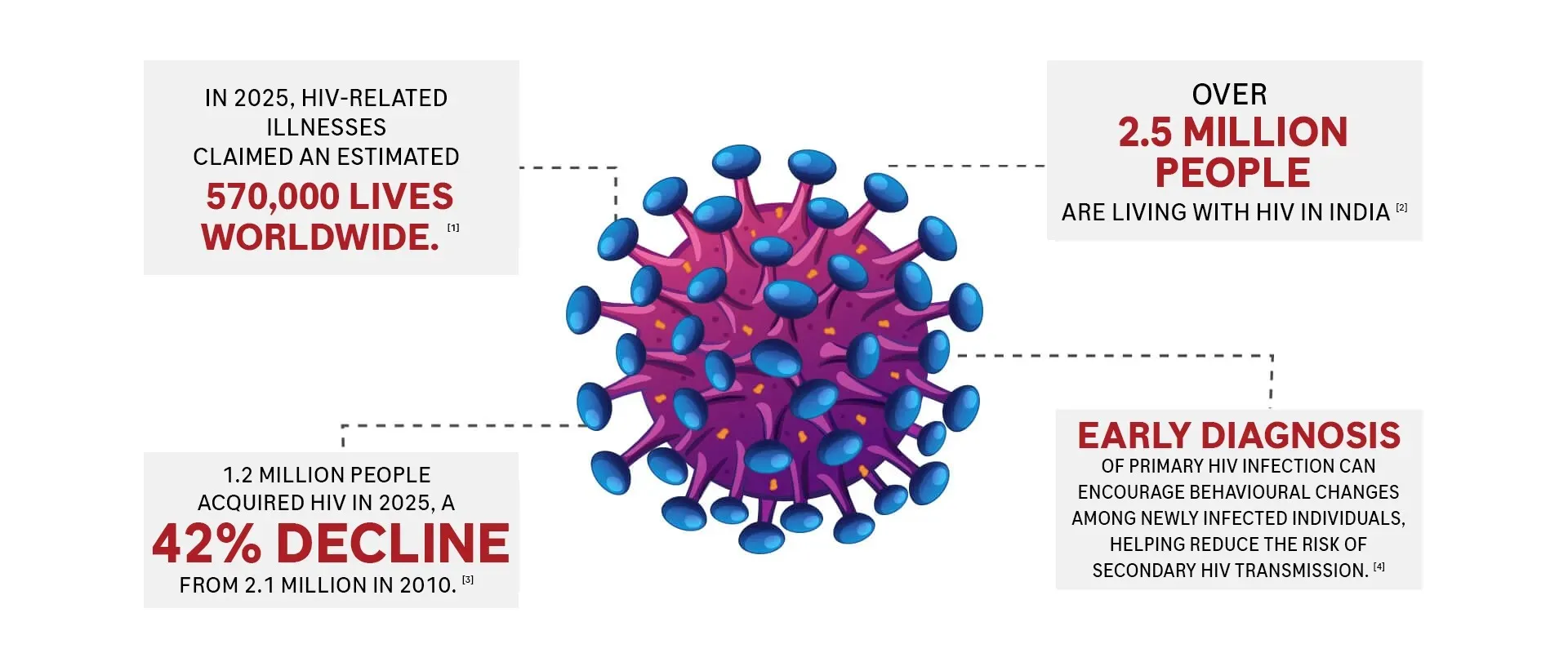
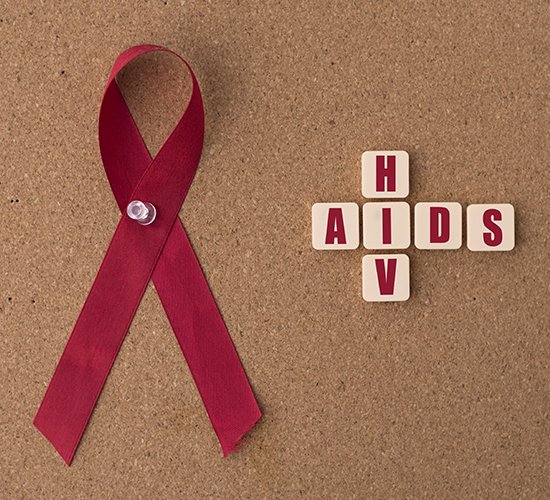
HIV stands for Human Immunodeficiency Virus which causes an infection where the virus attacks the body’s white blood cells (which help the body fight infection), making a person more vulnerable to other infections and diseases.
If left untreated, the virus grows within the body over a period of years and the infection advances to its last stage known as AIDS (Acquired Immune deficiencies Syndrome). Without medicines, HIV advances to AIDS in around 10 years[6]
The body cannot get rid of HIV on its own and a cure for it does not exist yet. However, anti-retroviral therapy (ART) can help suppress the viral load by stopping or interfering with the reproduction of the virus in the body. This keeps the infection in check.[7]
You can get HIV by coming into direct contact with certain body fluids from a person with HIV who has a detectable viral load. For transmission to occur, the HIV in these fluids must get into the bloodstream of an HIV-negative person through a mucous membrane (found in the rectum, vagina, mouth, or tip of the penis); open cuts or sores; or by direct injection[8].
Women who know their HIV status can seek effective interventions during pregnancy, labour, delivery, and breastfeeding to reduce this rate to less than 1%.[9]
Children born to HIV-positive parents are at high risk of HIV infection. Transmission rates for mother-to-child transmission range from 15% to 45% in the absence of effective interventions.[10]
There are a number of high-risk behaviours which contribute to the spread of HIV and must be avoided. Even relatively small risks can add up over time and lead to a high lifetime risk of getting HIV.

HIV Can Be Detected Accurately with a VIRAL LOAD TEST
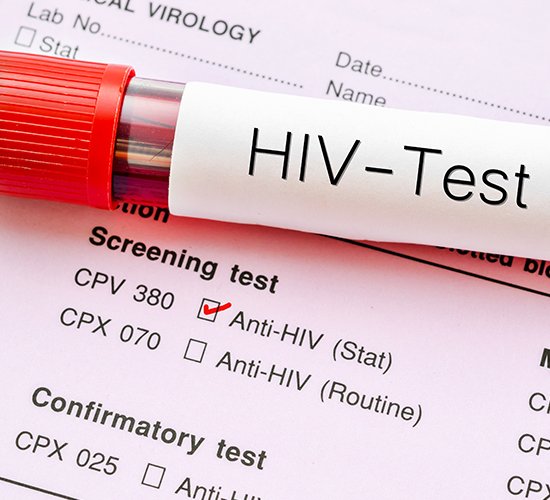
HIV tests can determine the presence of HIV infection, and the results are presented as either HIV Positive or HIV Negative, with a positive result indicating the presence of the infection[12].
However, a negative result doesn’t necessarily indicate the absence of HIV. This is due to the window period between the time when a person is infected and when a test can accurately detect the virus[12]
If the HIV test was conducted within 3 months of exposure and the result was negative, getting tested again in 3 months can help be sure of the result [13]
1. https://www.who.int/data/gho/data/themes/hiv-aids
2. https://www.pib.gov.in/PressNoteDetails.aspx?NoteId=153470&ModuleId=3®=3&lang=1
4. https://www.tandfonline.com/doi/full/10.2217/fvl-2018-0110
5. https://www.hiv.gov/hiv-basics/overview/about-hiv-and-aids/what-are-hiv-and-aids
6. https://www.mayoclinic.org/diseases-conditions/hiv-aids/symptoms-causes/syc-20373524
7. https://medlineplus.gov/hivaidsmedicines.html
8. https://www.who.int/news-room/fact-sheets/detail/hiv-aids
11. https://hivinfo.nih.gov/understanding-hiv/fact-sheets/understanding-hiv-transmission
12. https://www.hiv.gov/hiv-basics/hiv-testing/learn-about-hiv-testing/understanding-hiv-test-results
13. https://www.hiv.gov/hiv-basics/hiv-testing/learn-about-hiv-testing/hiv-testing-overview